November 20, 2026
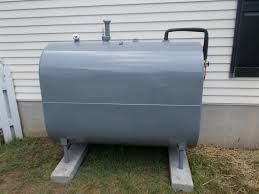
Cleaner home heating balances comfort, energy use, and environmental responsibility. Homeowners who rely on heating oil can reduce wasted fuel, maintain equipment, and explore newer options. A home heating oil company can explain available fuels and help customers identify questions for a qualified technician. Considering fuel, equipment, and the home itself can guide improvements without requiring a complete system replacement.
Understanding the Benefits of Cleaner Heating
Heating systems have evolved as manufacturers improve burner design, controls, and heat transfer. Correctly installed and maintained equipment can use fuel more effectively than neglected systems. Better performance can mean less wasted energy and more consistent indoor temperatures. The goal is to keep rooms comfortable while using resources thoughtfully.
A home heating oil company can explain how fuel quality and equipment condition affect performance. Before choosing an upgrade, homeowners can review the system’s age, service history, and typical fuel use. Insulation, drafts, and thermostat settings also affect how hard equipment must work. Considering these factors helps prioritize improvements for the property and budget.
Exploring the Advantages of Lower-Emission Fuels
Fuel composition influences combustion pollutants. Lower-sulfur heating oil can reduce sulfur dioxide emissions, while renewable blends may incorporate plant oils or recycled fats. Their benefits depend on the product and how it is produced. Availability and equipment compatibility also vary.
According to House Digest, advancements in oil-burning technology mean the oil used to heat homes is 90% cleaner than it was several decades ago. This illustrates advances in fuel and combustion technology, though systems do not all have the same emissions profile. Homeowners should consider fuel quality alongside equipment condition and energy use.
A home heating oil company can describe which fuel products are available locally and explain the specifications provided by suppliers. Homeowners can ask whether a proposed blend is suitable for their equipment, whether any adjustments are needed, and what documentation supports environmental claims. It is also sensible to compare pricing and delivery availability before making a change. Clear answers help households choose an option that fits their heating needs rather than relying on general promises.
Improving Efficiency Through Regular Maintenance
Cleaner fuel cannot deliver its full potential if a heating system is not operating properly. Dirty components, worn parts, or poorly adjusted controls can interfere with combustion and contribute to wasted fuel. Routine service helps identify developing issues before they lead to breakdowns during cold weather. It also gives homeowners a clearer picture of the equipment’s condition and maintenance needs.
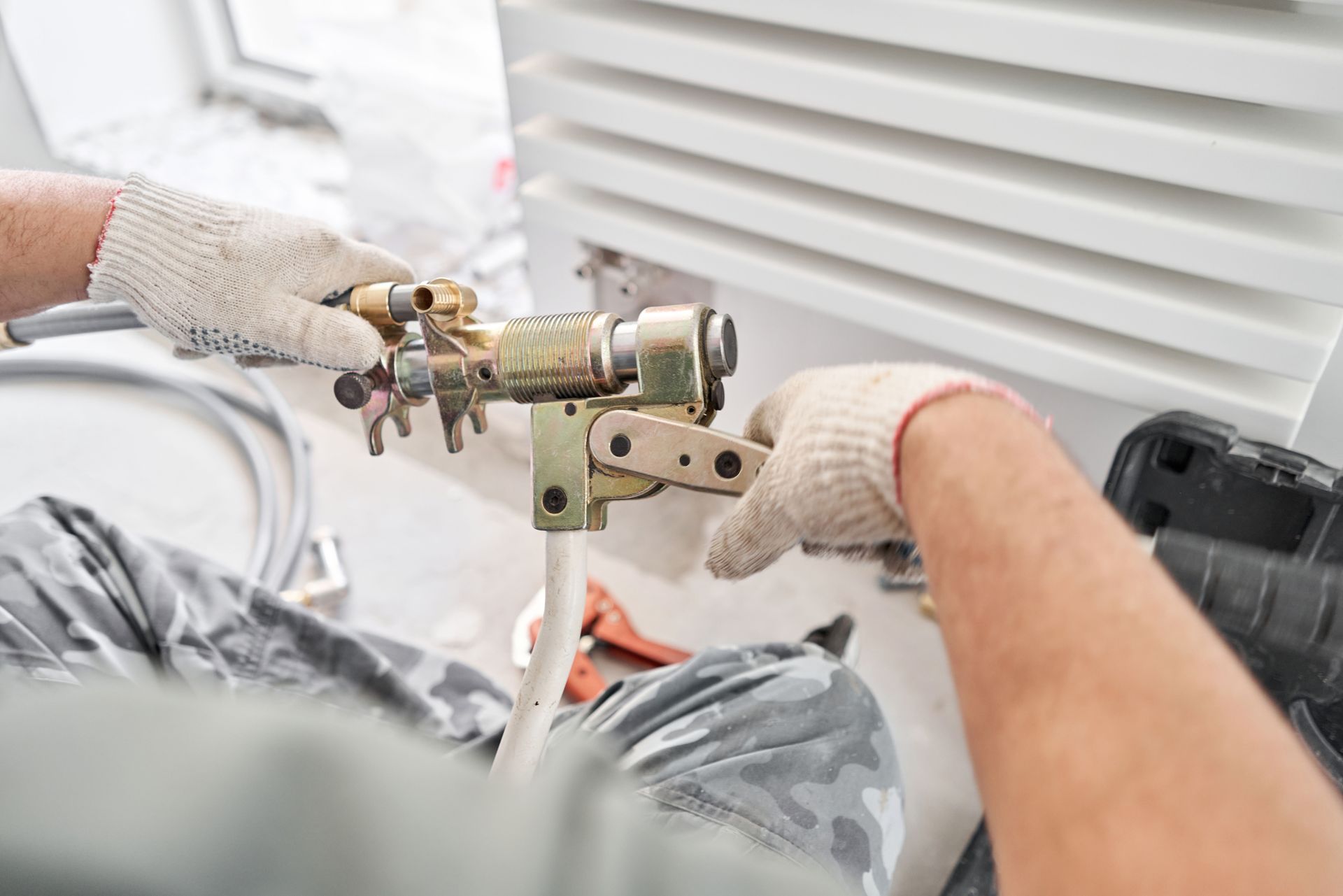
A technician can inspect the burner, clean components, check controls, and identify performance issues. Homeowners should follow manufacturer guidance and schedule service before the heating season when possible. Inspections can reveal when repairs or replacement deserve consideration. Service records help track recurring problems and plan costs.
A home heating oil company may provide maintenance services or help customers locate professionals experienced with oil-fired systems. During a service appointment, homeowners can ask whether the system is operating as expected and which improvements are worth prioritizing. Understanding the difference between routine upkeep and a major upgrade can make budgeting less stressful. Consistent care supports dependable heating and helps equipment use fuel as effectively as possible.
Reducing Fuel Waste Through Smarter Heating
The environmental impact of home heating depends on more than the fuel burned. Warm air escaping through gaps around windows, exterior doors, and attic spaces can make a heating system run longer than necessary. Poor insulation and blocked heat outlets can also affect comfort from room to room. Addressing these issues may reduce energy demand without replacing the furnace or boiler.
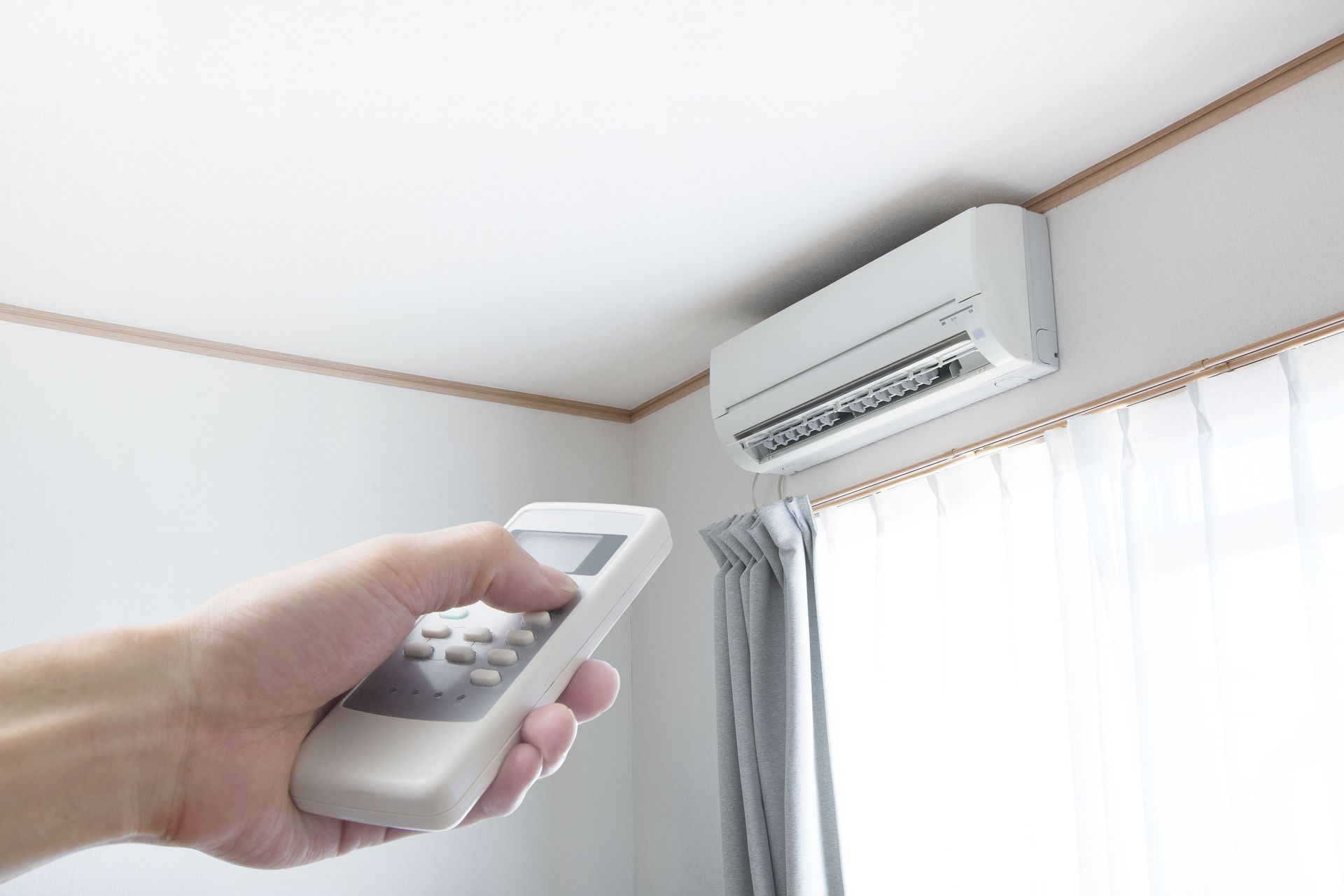
Everyday adjustments can help. Programmable thermostats let households set temperatures around their schedules, while weatherstripping and caulking reduce drafts. Keeping radiators and vents clear also helps warmth circulate. These steps work best alongside proper equipment maintenance.
A home heating oil company can help customers review delivery patterns and understand changes in seasonal fuel use. Comparing usage across similar periods may reveal a trend worth investigating, although colder weather and occupancy changes also affect consumption. If usage rises unexpectedly, a technician can check whether equipment performance or heat loss is contributing. Monitoring fuel use helps homeowners plan deliveries and address potential problems before they become urgent.
Evaluating Renewable Options and Emerging Technologies
Renewable fuels and newer technologies may reduce reliance on conventional energy sources. Biodiesel blends combine heating oil with fuel made from renewable materials. Their environmental impact depends on feedstock, production methods, blend ratio, and life-cycle emissions. Homeowners should compare products rather than assume all renewable options provide identical results.
Compatibility should be checked before changing fuels. Some heating systems may support certain blends, while others may require a professional assessment or adjustments. Manufacturer guidance and advice from a qualified technician can help homeowners avoid performance issues. It is also worth asking about local availability, cost, and any differences in storage or maintenance requirements.
A home heating oil company can explain which products suppliers offer in the area and whether they may be appropriate for a particular system. Customers can ask for clear information about fuel composition and any evidence supporting environmental claims. Homeowners considering a longer-term transition can also compare options such as heat pumps or hybrid systems with a qualified heating professional. The right choice depends on the home, climate, electrical capacity, installation costs, and household budget.
Comparing Heating Solutions and Planning Ahead
A practical heating plan considers operating costs, maintenance, fuel availability, equipment requirements, and environmental impact. One household may benefit from sealing drafts and servicing a boiler, while another may consider a newer system. The best approach depends on the property and homeowner’s priorities. Comparing costs and benefits helps avoid ineffective upgrades.
Planning ahead also makes seasonal heating easier to manage. Homeowners can review delivery timing, set aside funds for maintenance, and ask about options before cold weather increases demand. If major equipment work is being considered, obtaining more than one qualified opinion can clarify the scope and expected costs. Written estimates and product details make comparisons more meaningful than broad assurances. Ask for written estimates in advance before approving work or changing fuel products.
A home heating oil company can be one source of information about fuel choices, deliveries, and service resources. Homeowners should still ask specific questions and review recommendations in the context of their own property. It can be helpful to keep records of fuel use, repairs, and system upgrades to guide future decisions. A measured plan allows households to improve efficiency gradually while maintaining reliable warmth.
Supporting Cleaner Home Heating for The Future
Cleaner home heating is an ongoing effort. Fuel improvements, maintenance, sensible thermostat settings, and better insulation can reduce unnecessary energy use. Homeowners can start with the most noticeable problems and make changes gradually. Reviewing results helps show which measures make a difference.
Providers can help homeowners understand fuel options, arrange deliveries, and identify questions about system performance. They can also offer guidance on fuel availability, seasonal heating needs, and maintenance services that support reliable operation. Still, the overall efficiency of a home depends on insulation, air leaks, equipment condition, and how heat is managed each day. Homeowners who regularly review these factors can identify opportunities to reduce fuel waste, improve indoor comfort, and make more informed decisions about future upgrades.
Combining professional guidance with practical household improvements supports a more complete approach to energy efficiency and environmental responsibility. Contact ABC Fuel Oil Co. Inc. to discuss heating oil options and practical ways to support cleaner home heating.