May 13, 2026
As the sweltering heat of summer approaches, ensuring your air conditioning system is ready to perform at its best becomes an absolute necessity. This guide covers everything you need to know about maintaining, optimizing, and troubleshooting your AC to keep your home cool and comfortable throughout the hottest months. By addressing crucial aspects such as system types, maintenance procedures, and optimizing energy efficiency, you will be better prepared to handle any heatwave. Moreover, understanding common issues and future trends allows you to make informed decisions regarding repairs or upgrades. Embrace this comprehensive guide to enjoy a summer where the comfort of your home is ensured.
Your AC System
Types of AC Systems
Air conditioning systems come in several types, each suited for different needs and environments. The most common are central AC systems, which cool an entire home through a network of ducts. Window units provide a cost-effective solution for cooling single rooms, while portable units offer the flexibility of movement between spaces. Split AC systems, also known as ductless systems, are increasingly popular, providing zoned cooling without extensive ductwork. Finally, hybrid systems use a mix of electricity and natural gas to improve energy efficiency and reduce utility costs.
Key Components of an AC Unit
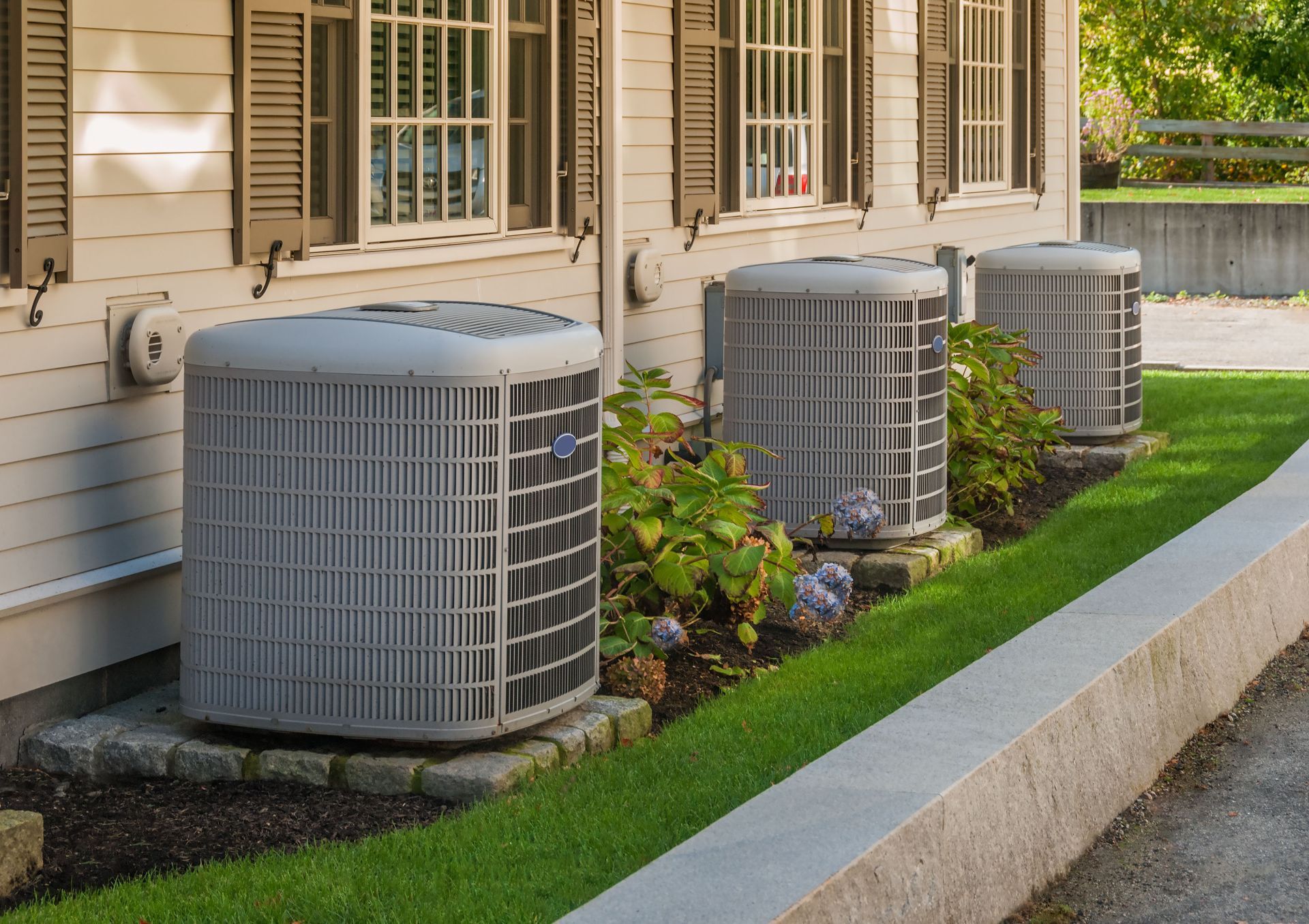
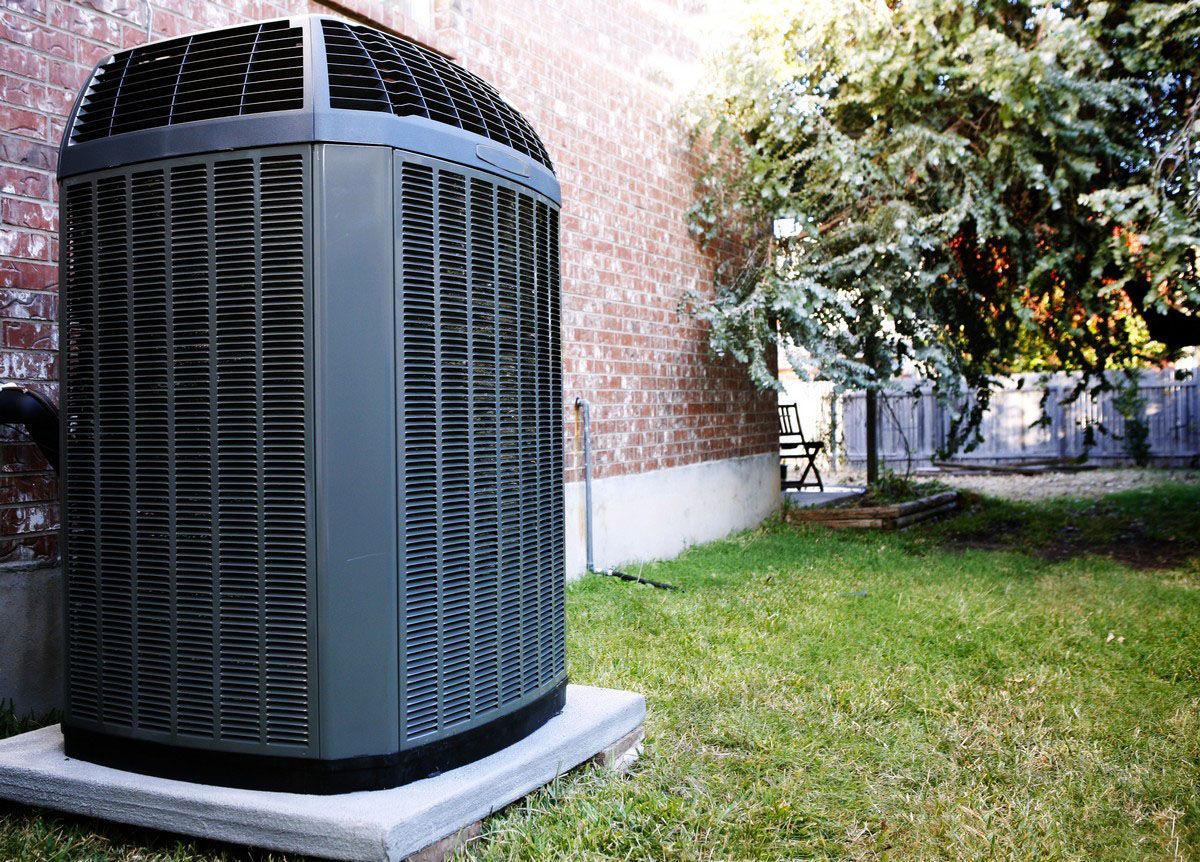
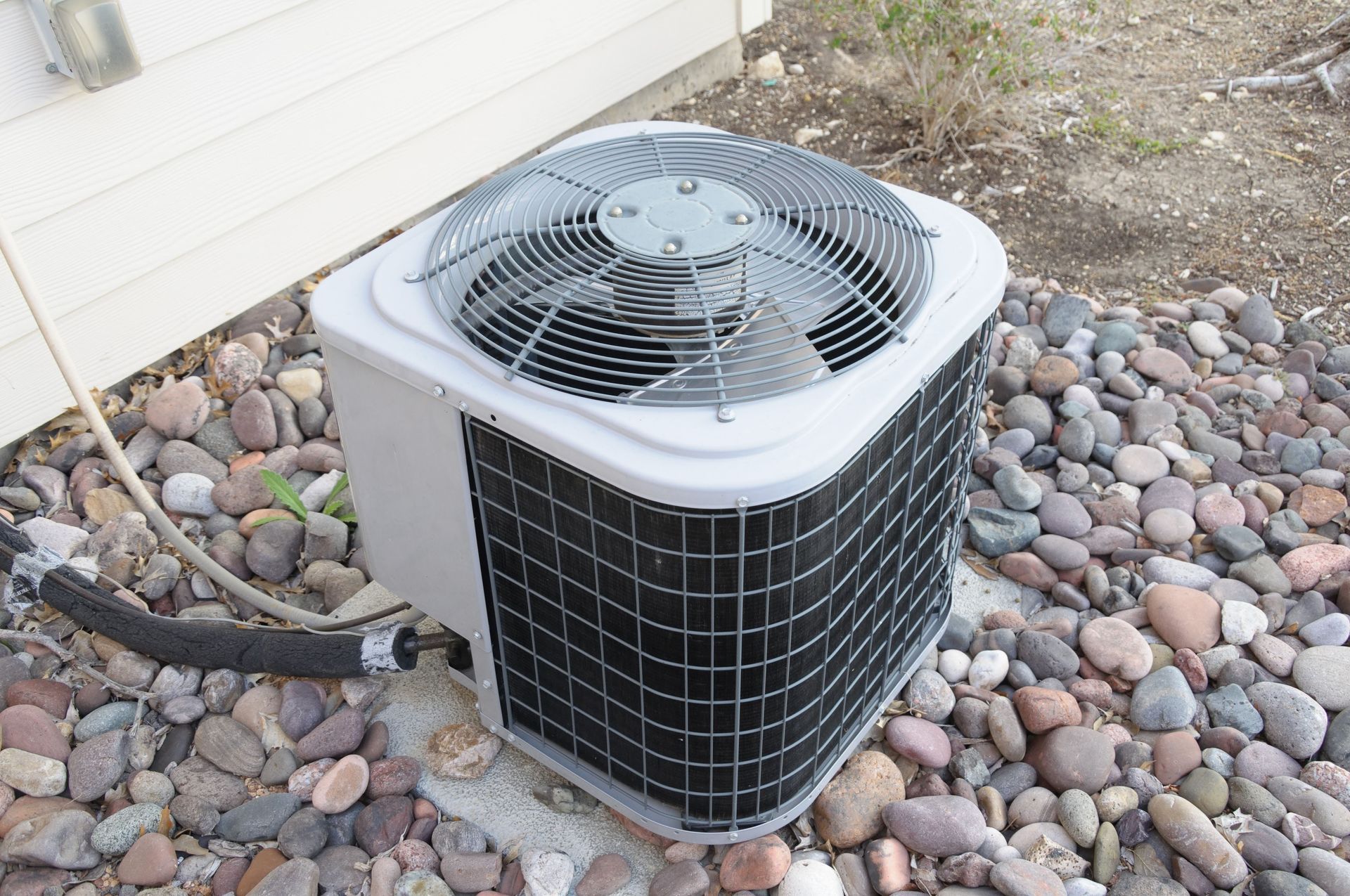
An AC system is composed of several key components that work in unison to cool the air. The compressor circulates the refrigerant, creating the necessary pressure to transform it from a gas to a liquid. The condenser coil releases the absorbed heat outside, while the evaporator coil is responsible for absorbing the heat from the air inside your home. The air handler is the part that blows the cooled air through your ductwork. Each component must function properly to ensure optimal performance and efficiency.
How Air Conditioning Works
AC systems operate on a simple principle: removing heat from indoor air and releasing it outside. The cycle begins when warm air is drawn in and passed over the evaporator coil, which contains refrigerant. As the refrigerant absorbs heat, it transforms from a liquid to a gas, cooling the air that is circulated back into the room. The refrigerant then moves to the condenser coil, where it releases the absorbed heat and condenses back into a liquid. This cycle repeats continuously to maintain a cool indoor environment.
Energy Efficiency Ratings Explained
Energy efficiency ratings are crucial in determining the consumption of electricity by an AC system. The Seasonal Energy Efficiency Ratio (SEER) and Energy Efficiency Ratio (EER) are the primary metrics used to rate AC systems. A higher SEER or EER rating indicates a more energy-efficient model, often leading to reduced operational costs. In the U.S., new central air systems must have a minimum SEER rating of 14. The pursuit of energy efficiency not only contributes to cost savings but also reduces a home's environmental impact.
The Right System for Your Home
Selecting the right air conditioning system requires consideration of various factors, including the size of your home and your specific cooling needs. For large homes, central or split systems are often more effective due to their ability to distribute cool air evenly. Smaller homes or individual rooms may benefit from window or portable units. It is essential to consider the energy efficiency ratings, initial costs, and potential maintenance needs. Consulting with an HVAC professional can also provide valuable insights and recommendations tailored to your situation.
Pre-Season Maintenance and Preparation
Unit Inspection and Cleaning
One of the first steps in preparing your AC system for summer is a thorough inspection and cleaning. Dust and debris can accumulate in and around the system, leading to reduced efficiency and potential damage. Cleaning the filters, coils, and fins ensures unobstructed airflow and optimal operation. It is advisable to clean or replace the air filters every one to three months, depending on usage and manufacturer recommendations. Regular cleaning extends the lifespan of your AC and maintains energy efficiency, helping avoid unexpected outages during peak heat.
Leaks and Insulation Issues
Another critical aspect of pre-season preparation is checking for leaks and insulation issues. Air leaks in ductwork can result in significant energy loss and poor system performance. Seal any leaks with duct tape or mastic sealant to ensure the AC system operates efficiently. Additionally, inspect the insulation around the ducts; deteriorated insulation can lead to energy inefficiency and increased utility costs. Addressing these issues before turning on your AC unit for the hot season can prevent discomfort and unnecessary expenses.
Thermostat Calibration
Calibrating your thermostat is essential for maintaining a comfortable home and efficient energy use. Adjust the thermostat settings according to your daily schedule to avoid unnecessary cooling when the house is unoccupied. A programmable thermostat can help automate these settings, ensuring the system operates efficiently. Regularly checking the thermostat's accuracy ensures temperature readings are correct. Proper calibration not only improves comfort levels but also reduces energy consumption, contributing to lower monthly bills.
Importance of Professional Tune-Ups
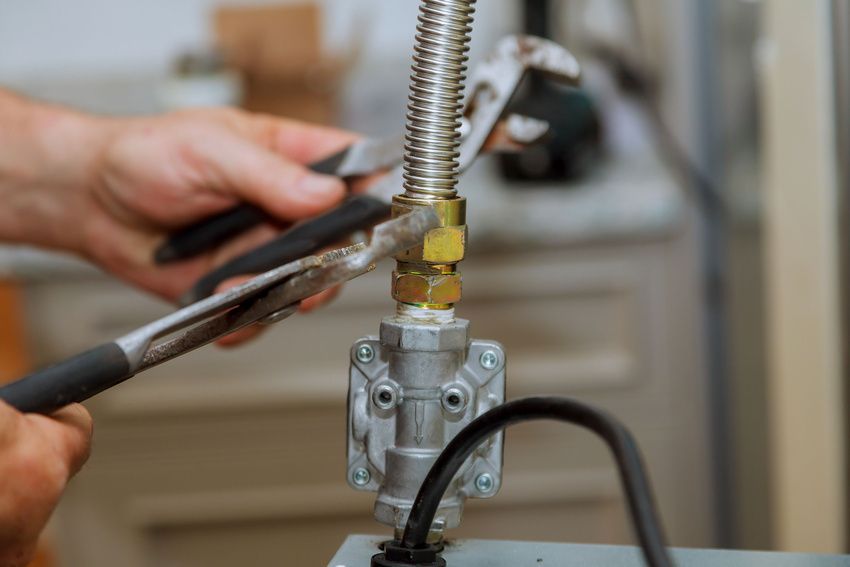
Professional tune-ups by qualified HVAC technicians are vital for identifying potential issues that may not be evident during routine inspections. Technicians can detect refrigerant leaks, electrical problems, and worn parts that require attention. Preventive maintenance decreases the likelihood of costly breakdowns during peak summer months. According to the U.S. Department of Energy, 88% of homes in the U.S. have air conditioning, highlighting the importance of regular maintenance for reliability and efficiency. Professional tune-ups can also improve the lifespan of your AC system.
Regular Maintenance Visits
Regular maintenance visits should be scheduled according to manufacturer recommendations and system usage. These visits ensure systems remain in top working condition throughout their lifespan. Most recommendations suggest biannual maintenance: once before the cooling season and once before the heating season if your HVAC system includes heating components. A well-maintained AC system operates more efficiently, improving indoor air quality and comfort. Making maintenance a priority helps prevent unexpected issues and maintains energy-efficient cooling during the hottest months.
Air Conditioner Efficiency
The Right Temperature
Setting the thermostat to the right temperature is one of the simplest ways to improve air conditioner efficiency. The U.S. Department of Energy recommends setting your thermostat to 78°F when you are at home and need cooling. While you are away, increase the temperature to reduce unnecessary energy use. For every degree you raise the thermostat, you can save approximately 3% on cooling costs. Finding the right balance between comfort and energy savings enhances the overall efficiency of your air conditioning system.
Fans to Circulate Cool Air
Ceiling and portable fans improve air circulation, helping spread cool air efficiently throughout your living space. By using fans in conjunction with your AC, you can often set the thermostat a few degrees higher without sacrificing comfort. Fans use considerably less energy than air conditioners, making them a cost-effective complement. In rooms with ceiling fans, ensure they rotate counter-clockwise during summer to blow air downward, creating a wind-chill effect. Proper circulation reduces the workload on your AC system, extending its lifespan and improving efficiency.
By understanding the intricacies of your air conditioning system and undertaking proper maintenance and optimization measures, you can enjoy a cool, comfortable, and energy-efficient home throughout the summer months. Stay informed about current trends and advancements to make the most out of your investment and keep your home a refuge from the heat.