October 19, 2026
Choosing the right air conditioning system involves balancing upfront costs, energy efficiency, comfort, and installation requirements. Mini splits and window units are two popular options, but each offers different advantages for homeowners. Understanding how these systems compare can help property owners select a cooling solution that meets their needs and budget. From everyday operating expenses to long-term performance, several factors can influence which option makes the most sense.
Compare Technology and Performance
Evaluate Smart Features and Controls
Modern air conditioners offer features that make managing indoor temperatures more convenient. Many mini splits connect to smartphone apps and smart home systems, allowing users to adjust settings remotely, create schedules, and monitor energy consumption. Some models also use advanced sensors to maintain consistent temperatures as cooling demands change. Window units may offer similar connectivity, although available features vary by model. Homeowners should compare individual specifications rather than assuming every system includes the same capabilities.
Consider Noise and Comfort
Noise levels can significantly affect comfort in bedrooms, home offices, and living spaces. Mini splits typically operate more quietly indoors because their compressors are located in outdoor units. Window air conditioners house their primary components in the same unit installed near the living space, which can make operating sounds more noticeable. Although newer window models have improved sound control, a ductless system may be preferable for households that prioritize a quieter environment.
Compare Costs and Long-Term Value
Assess Initial Installation Expenses
Window units generally cost less upfront and are often easier to install. Many homeowners can install compatible models themselves, provided they follow safety instructions and secure the unit correctly. Mini splits usually require professional installation, including mounting indoor and outdoor components, connecting refrigerant lines, and completing electrical work. These additional requirements increase initial expenses, but rebates or other incentives may help eligible homeowners offset some costs.
Calculate Energy and Maintenance Costs
Energy consumption affects the total cost of owning an air conditioner. Many mini splits use inverter technology to adjust compressor output according to cooling demand instead of repeatedly switching between full power and shutdown. This approach can reduce unnecessary energy use, particularly when the system is appropriately sized. Efficient window units can also provide economical cooling, especially when used in a single room rather than throughout an entire home.
Both systems require routine maintenance. Cleaning filters, keeping outdoor components clear, and arranging professional inspections when needed can help preserve performance. Window units may be easier to maintain independently, while mini splits can require specialized service for refrigerant or electrical issues. Comparing expected energy consumption, service requirements, and equipment lifespan provides a more realistic picture of long-term value than considering purchase price alone.
Evaluate Installation and Home Compatibility
Determine Installation Requirements
Installation complexity is an important difference between these cooling options. Window units fit compatible windows and generally require minimal modifications. However, they must be adequately supported and sealed to prevent air leaks and reduce the risk of water intrusion. They can also obstruct part of a window, affecting natural light and views.
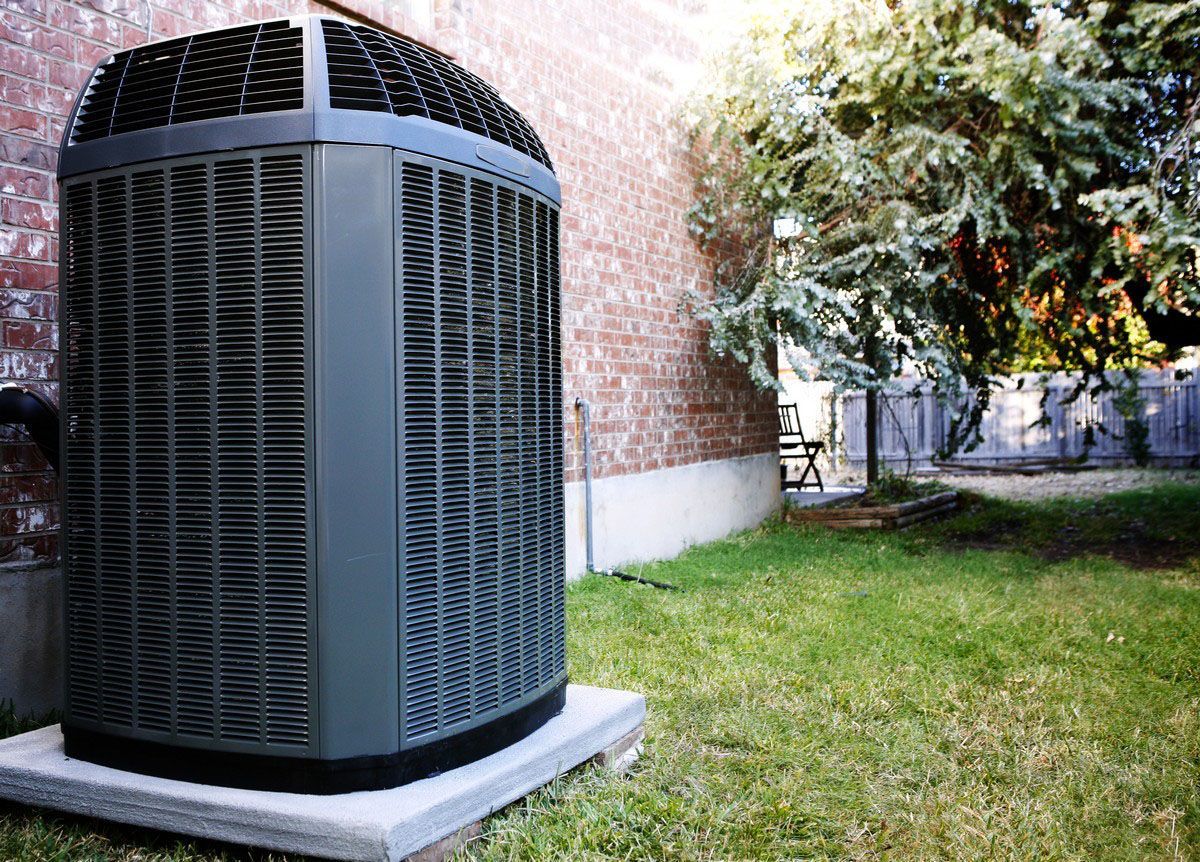
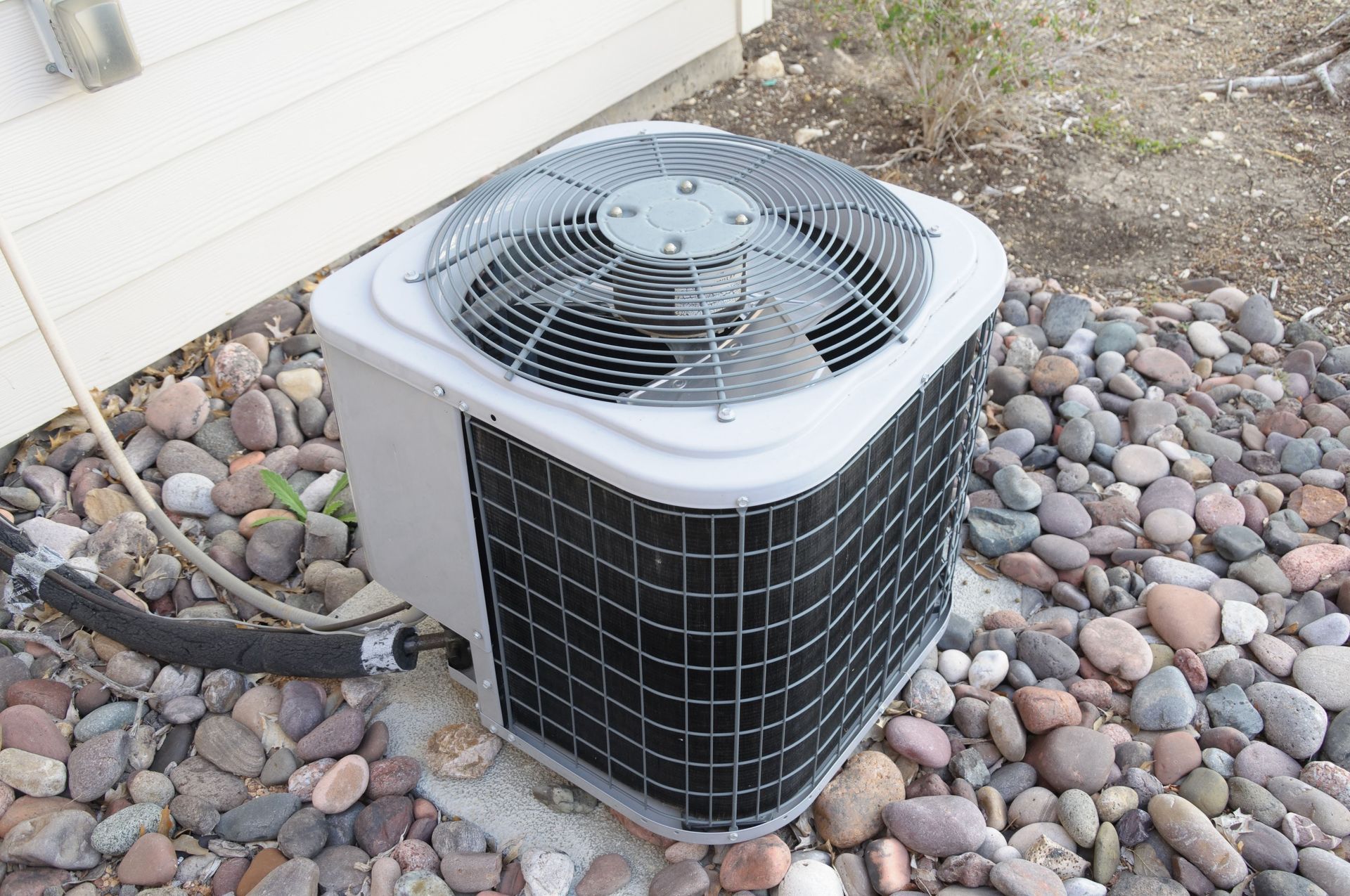
Mini splits require space for indoor equipment and an outdoor condenser, along with a route for connecting lines between the components. Professional installers can evaluate these requirements and identify suitable locations. Because the system does not occupy a window opening, it can preserve existing views and provide greater flexibility in room layout. This can be particularly useful in older homes, additions, and spaces without suitable windows for conventional air conditioners.
Match Cooling Capacity to the Space
Choosing the correct capacity is essential for effective cooling. An undersized system may struggle to maintain comfortable temperatures, while an oversized unit can cycle inefficiently and leave indoor humidity inadequately controlled. Room dimensions, insulation, window exposure, ceiling height, and local climate all influence cooling needs.
Window units are often practical for individual rooms, apartments, and smaller spaces. Mini splits can serve individual rooms or multiple areas when configured with compatible indoor units. A qualified HVAC professional can assess the property and recommend equipment suited to its layout and cooling demands.
Compare Energy Efficiency and Environmental Impact
Review Efficiency Ratings
Efficiency ratings help homeowners compare how much cooling a system provides relative to its energy consumption. Seasonal Energy Efficiency Ratio 2 (SEER2) ratings are useful when evaluating eligible central and ductless air conditioning systems, while Energy Efficiency Ratio 2 (EER2) can help assess performance under specific operating conditions. Higher ratings generally indicate greater efficiency, although actual energy use depends on equipment sizing, installation quality, settings, and weather.
Many mini splits offer high efficiency through variable-speed operation, but performance differs across models. Energy-efficient window units can also be a sensible choice for smaller cooling areas. Homeowners should compare current product labels and estimated operating costs before deciding.
Understand Regional Demand and Environmental Benefits
Efficient cooling can reduce electricity consumption and the associated emissions from power generation. Proper installation, routine maintenance, and reasonable thermostat settings further support energy savings. Homeowners should also consider refrigerant type and applicable environmental regulations when selecting new equipment.
According to Market Reports World's Ductless Mini Splits Market Industry Trends Report (August 2026), over 40% of all U.S. mini split installations are concentrated in the northeastern and midwestern states. This regional concentration highlights the importance of considering local climate, heating and cooling requirements, and household preferences when evaluating ductless systems. In areas with changing seasonal temperatures, some models also provide heating, potentially offering year-round comfort from one system.
Consider Appearance and Everyday Convenience
Preserve Interior Design and Natural Light
The appearance of an air conditioner can influence how well it fits a home's interior. Mini splits are typically mounted on walls or ceilings, leaving windows unobstructed and offering more flexibility for furniture placement. Their indoor units remain visible, but many models feature streamlined designs that suit contemporary spaces.
Window units can be convenient and unobtrusive in rooms where appearance is less important, but they occupy window space and may interfere with curtains or window treatments. Homeowners should consider the room's layout, available mounting locations, and desired access to natural light when comparing options.
Choose Features That Support Daily Life
Convenience extends beyond installation and appearance. Programmable schedules, remote controls, sleep settings, and adjustable fan speeds can make either system easier to manage. Households that need to cool only one room at certain times may prefer a window unit for its simplicity. Those seeking quieter operation, flexible placement, and more advanced temperature control may favor a ductless system.
It is also important to consider how long the equipment will be used each day. A unit operating for extended periods may justify a larger initial investment if its improved efficiency produces meaningful savings. Conversely, occasional cooling needs may not warrant the higher installation cost of a more complex system.
Make the Right Cooling Decision for Your Home
The choice between mini splits and window units ultimately depends on the property's layout, cooling requirements, budget, and long-term priorities. Window units offer a lower-cost option for individual rooms and straightforward installations. Ductless systems can provide quieter operation, flexible placement, and efficient temperature control, particularly when cooling needs extend beyond one small space.
Before making a decision, compare equipment ratings, installation estimates, maintenance requirements, and expected energy costs. Professional guidance can help identify a suitable system and prevent problems caused by improper sizing or installation. Homeowners considering new cooling equipment can contact ABC Fuel Oil Co. Inc. to discuss their comfort needs and explore available options for maintaining a comfortable indoor environment throughout the year.